Do Charcoal Bags Work for Mold? Growth, Spores, Musty Odor and Safe Limits
Separate mold growth, airborne particles, musty odor and dampness, then see where a charcoal pouch can fit after source correction and cleanup.


Practical guidance for importers, distributors and private-label brands sourcing bamboo charcoal odor-care products and reusable silica gel moisture absorbers, from application planning to quality control and retail-ready packaging.
Odor and moisture care bags can look simple, but wholesale programs depend on connected decisions: intended placement, pouch dimensions, net fill, active material, breathable containment, outer fabric, seams, care instructions, branding and retail packaging. This library explains those decisions from a buyer's perspective so importers, distributors and private-label brands can prepare clearer product briefs and compare supplier proposals on the same basis.
Use the application and size guides to define where a product will be placed and which format should be sampled. The construction and packaging guides cover the details that should be documented before artwork and bulk production. Our supplier and automotive approval checklists focus on the handoff from quotation to golden sample, including fit validation, claims review, pack count and inspection records.
The articles avoid unsupported universal performance promises. Results depend on the selected material, filling amount, breathable construction, airflow, humidity, placement and the source being managed. Buyers should validate the finished product in representative conditions and approve market-specific claims before printing packaging. For a project-specific recommendation, compare the relevant guide with our product families and private-label customization process.

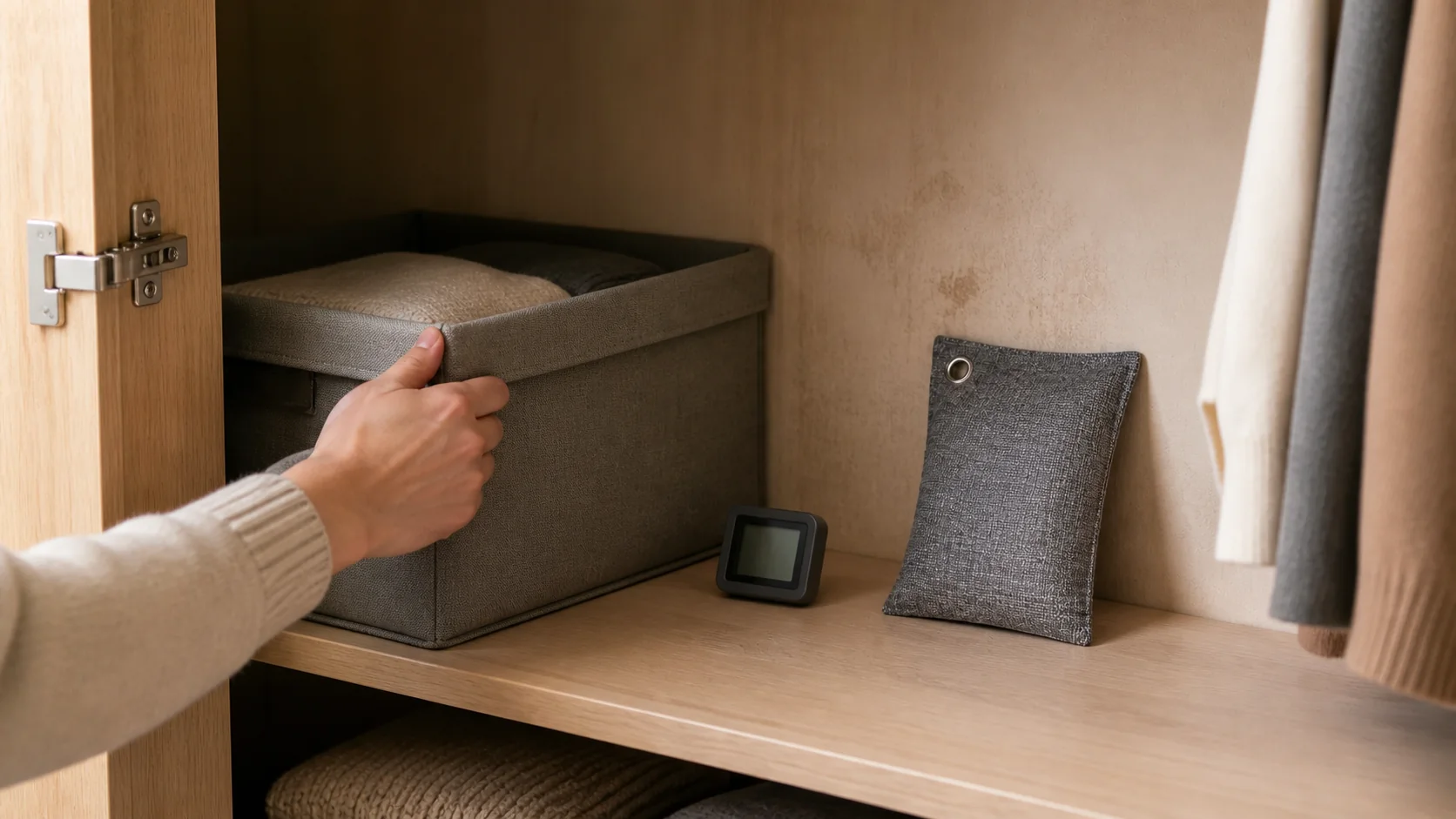
Separate mold growth, airborne particles, musty odor and dampness, then see where a charcoal pouch can fit after source correction and cleanup.

Separate bamboo charcoal, activated carbon and fuel charcoal, then see which material and finished-pouch fields consumers and private-label buyers should verify.

Trace fill, liner, seams, hardware, placement and warnings to decide whether a finished pouch and its safety claims are ready for household use.

Use condition, care-cycle and replacement checks to decide what reusable really means and when a charcoal pouch should leave service.

Choose a starting pouch format, place it by storage air zone, run a representative trial and turn vague storage language into an approvable specification.

Trace musty odors to moisture, textiles, footwear or stagnant air, then follow a source-first reset and see where a bamboo charcoal pouch can help.

Define the commercial unit, footwear fit, fill, fabric, construction, branding, packaging, sample approval and inspection criteria before comparing quotations.

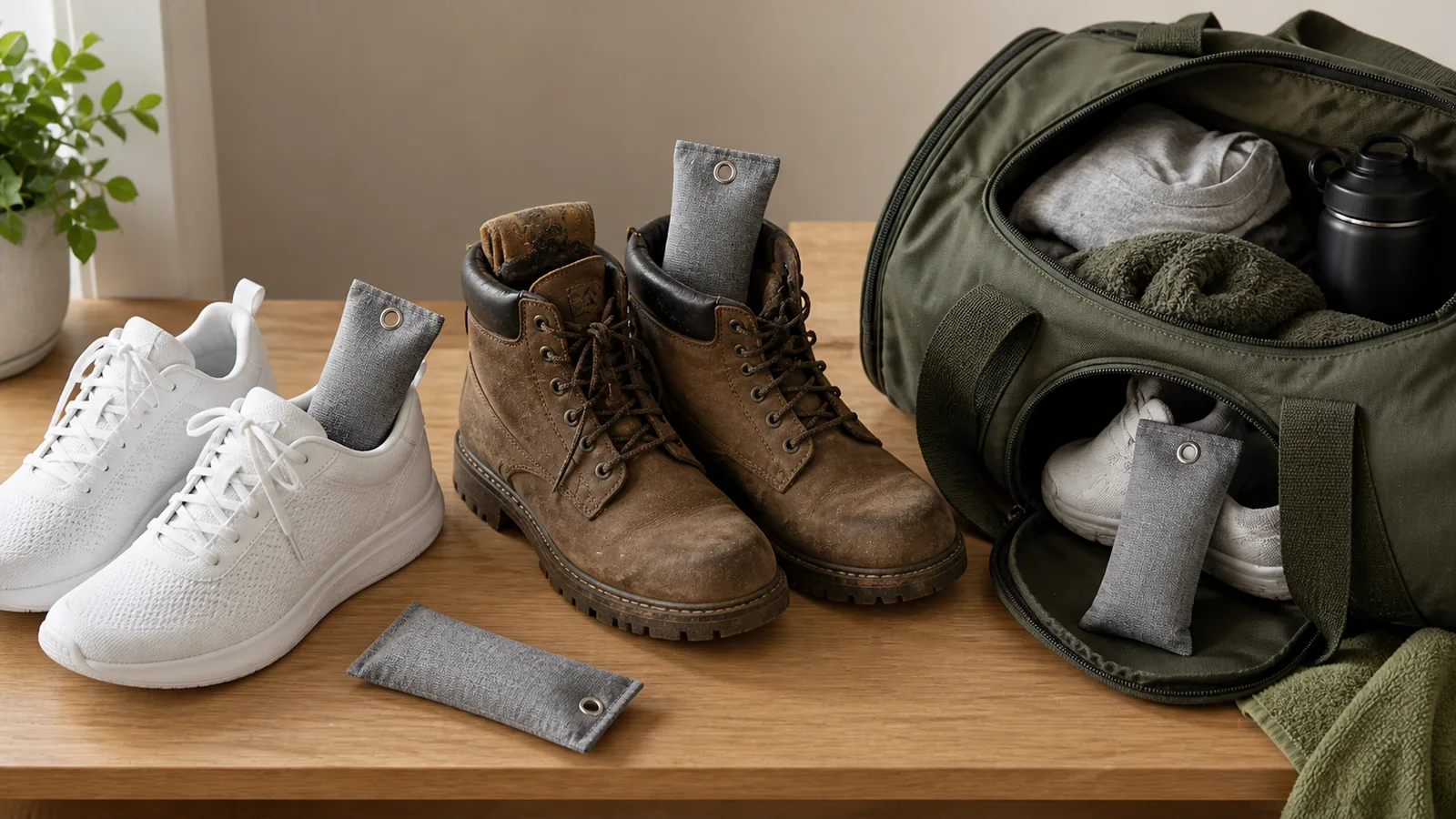
Use a dry-first routine, adapt pouch placement to sneakers, boots and gym gear, and see what private-label instructions should make clear.

Follow the adsorption path, diagnose weak results and see how buyers can test pouch fit, air exposure and responsible performance claims.

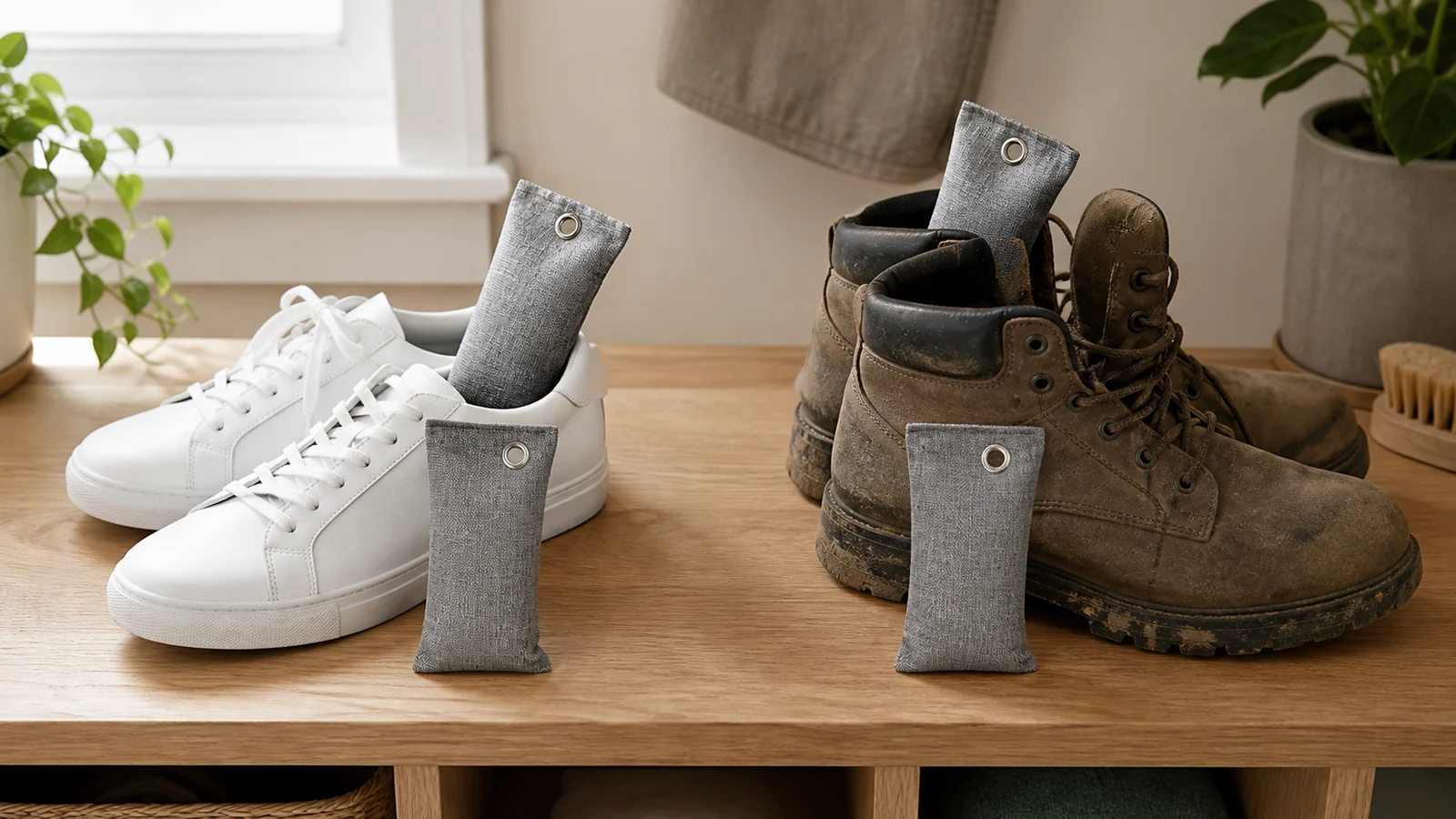
Diagnose wet, dirty, dry and persistent shoe-odor problems, then see where a charcoal pouch fits after cleaning and drying.

Use a finished-sample, care-instruction and repeat-cycle record to decide whether a reusable claim is ready for packaging.

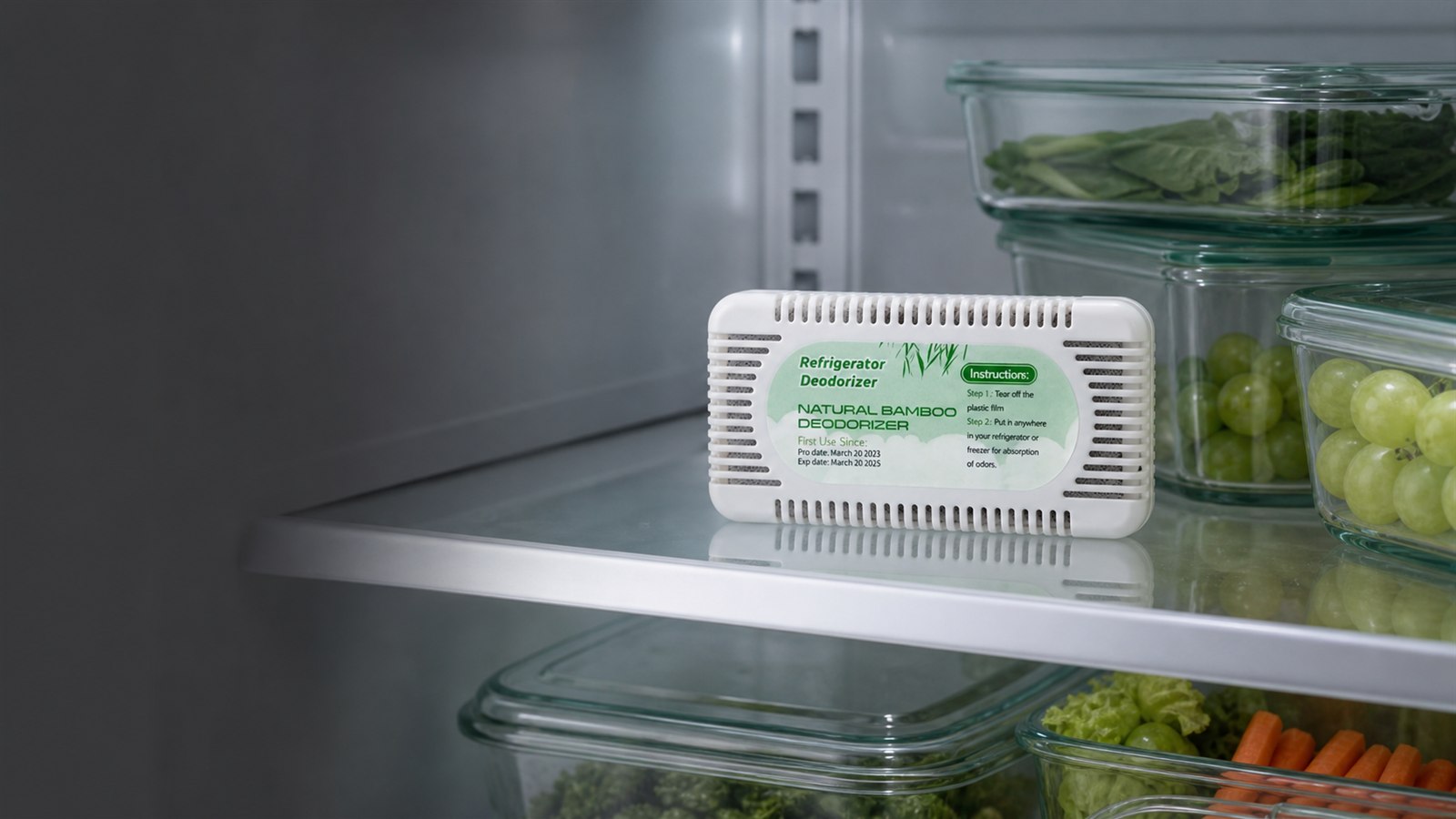
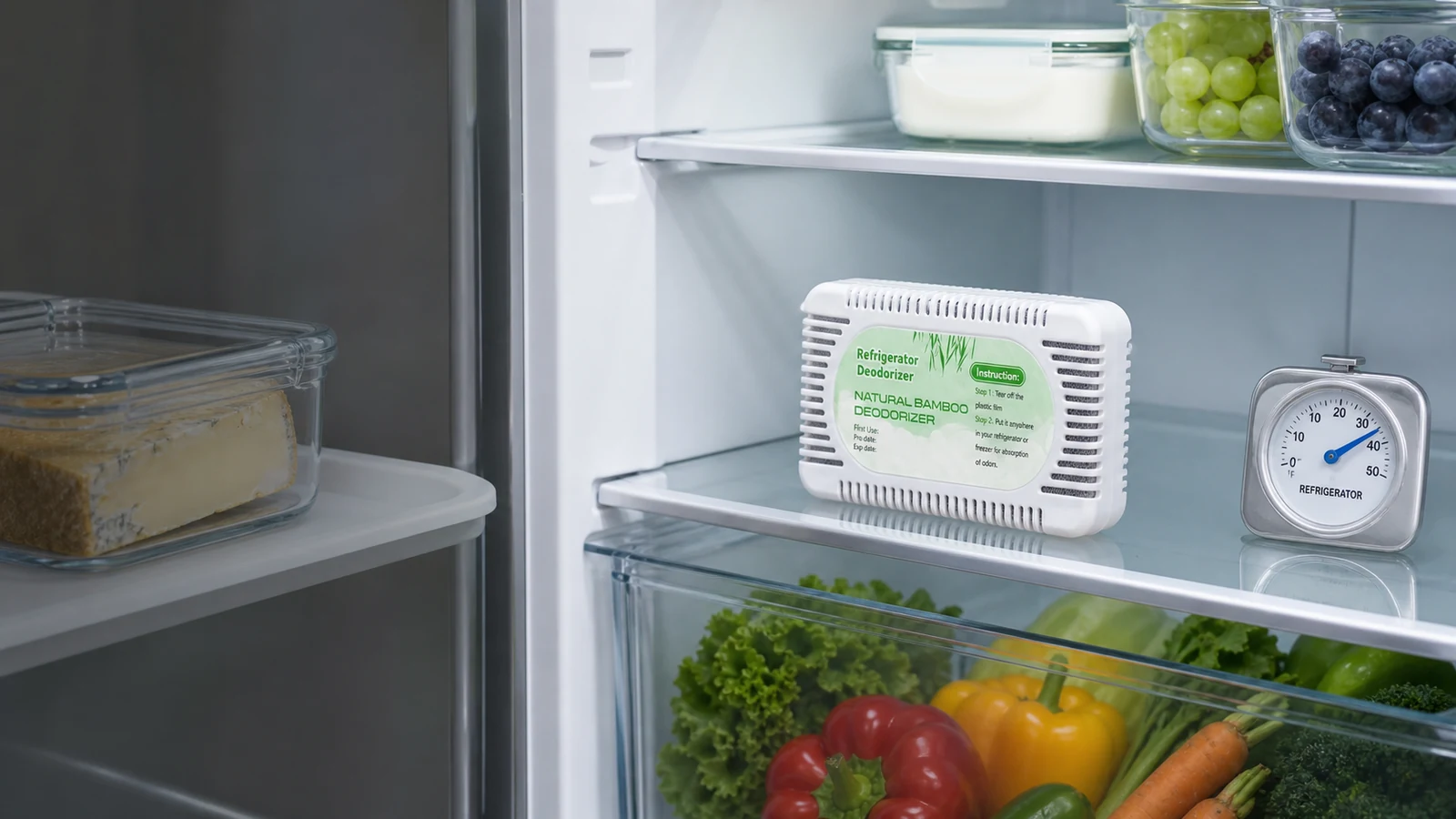
Follow the air path from the refrigerator compartment to the charcoal surface, diagnose weak results and separate supportable claims from overpromises.

Find the odor source, clean the compartment, restore safe storage conditions and see where a reusable bamboo charcoal deodorizer fits.

Choose a safe placement, secure the pouch, decide whether another bag is justified and use a seven-day observation routine instead of guessing.

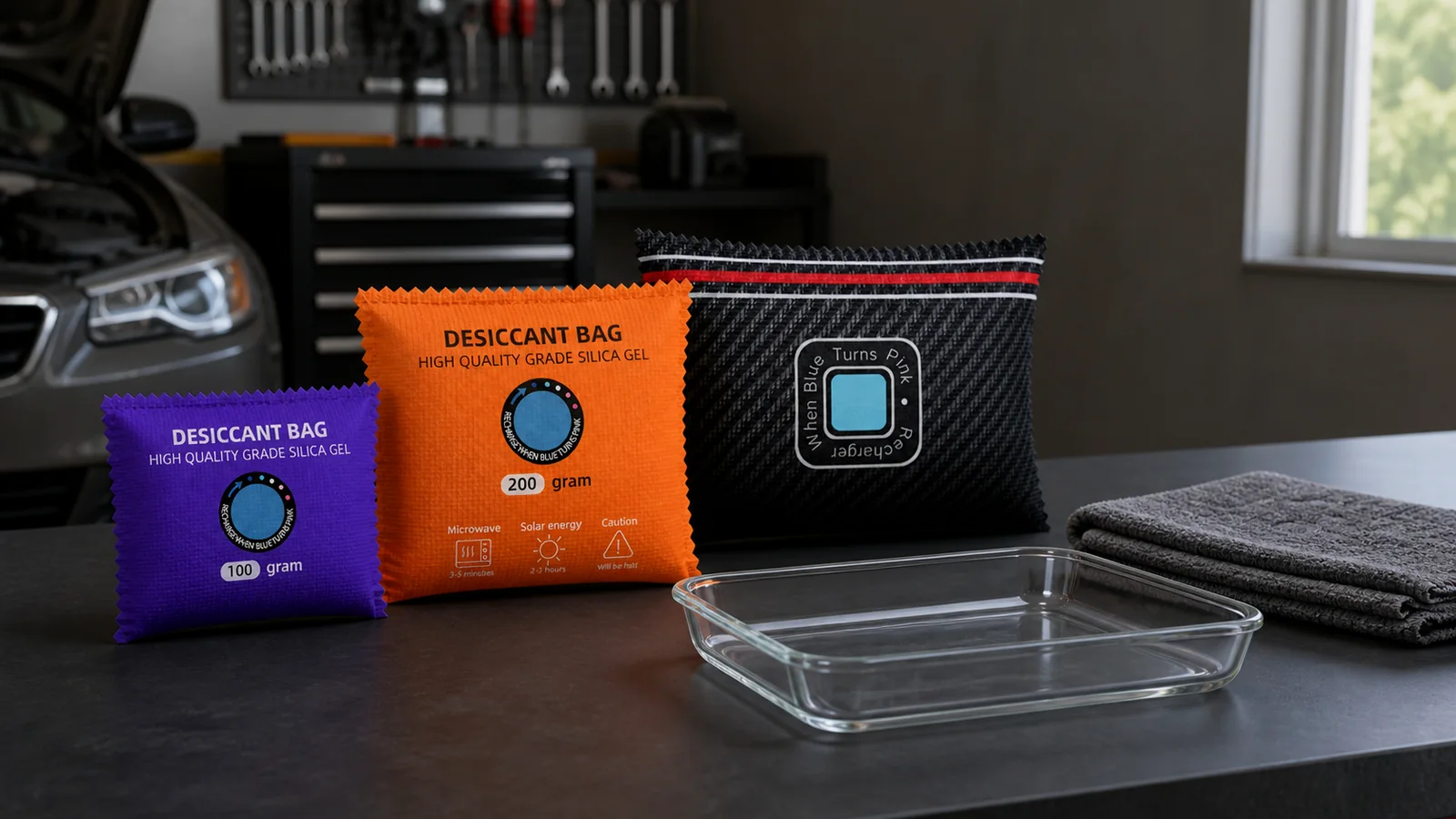
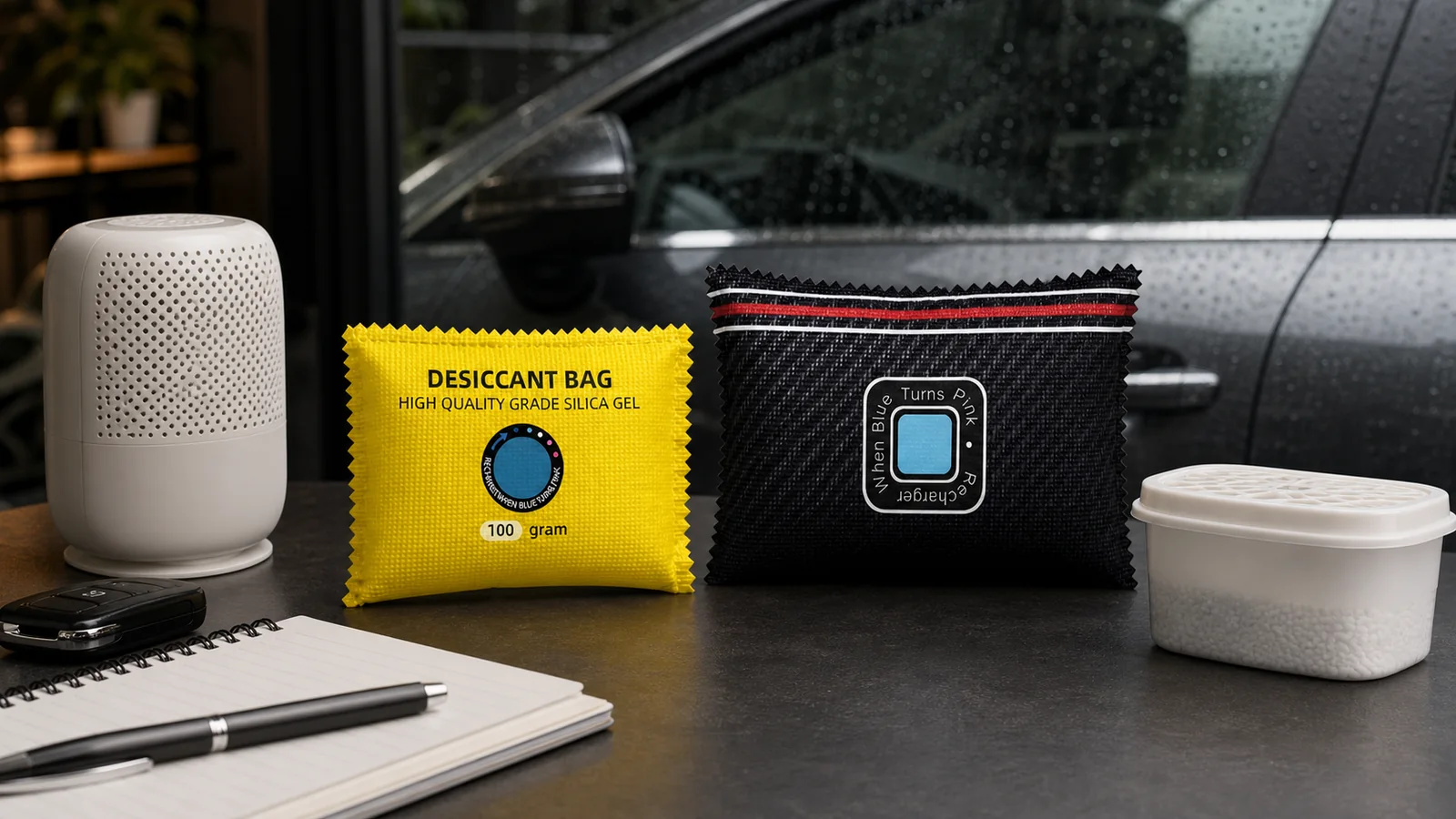
See where reusable silica gel bags can help, why results vary and how to separate a supportable moisture claim from an overpromise.

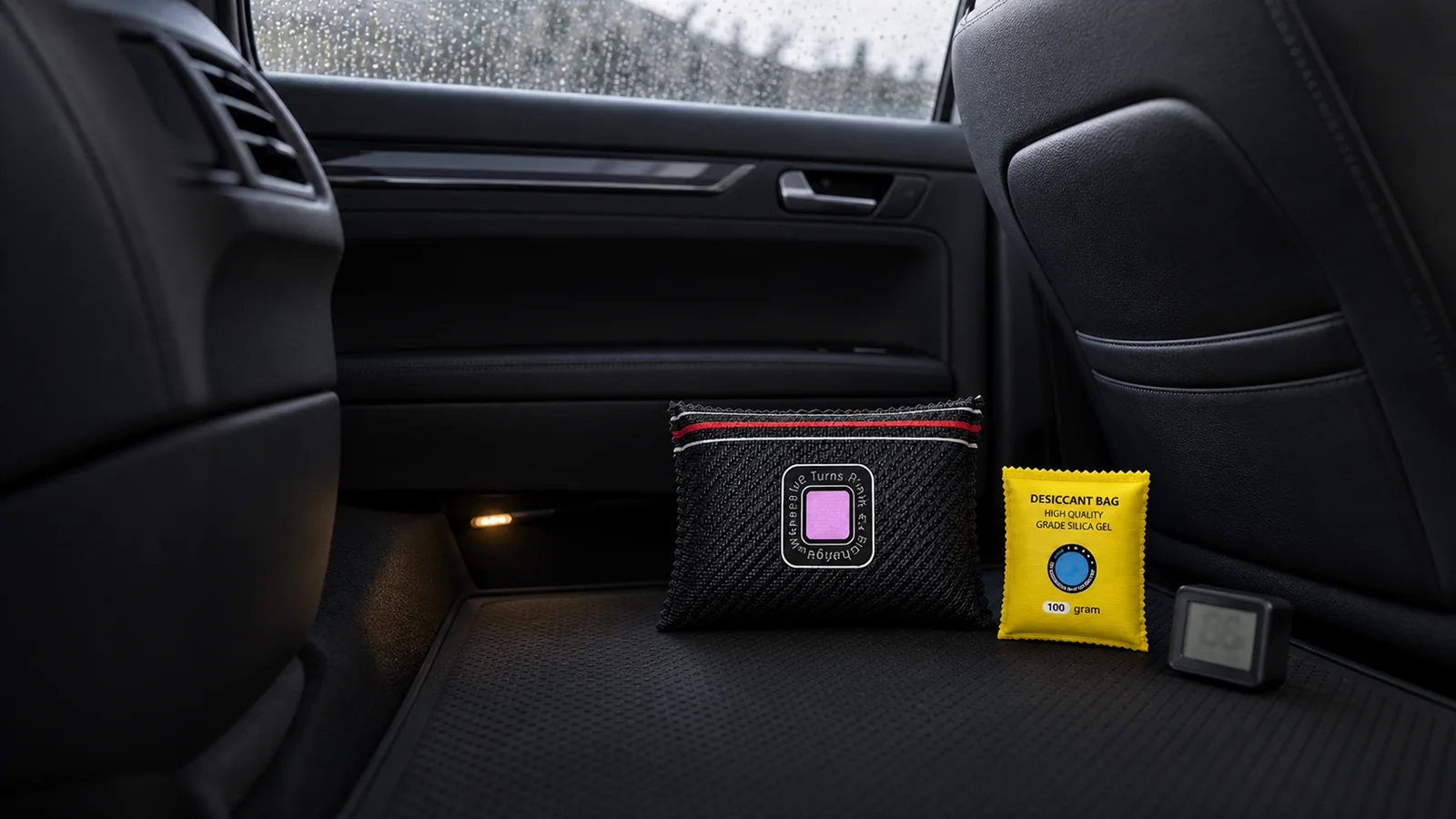
Use the indicator correctly, avoid copied heating times and see what a finished-bag care instruction needs to verify.

Compare passive silica gel bags, powered units, salt absorbers and vehicle climate controls by moisture job and maintenance.

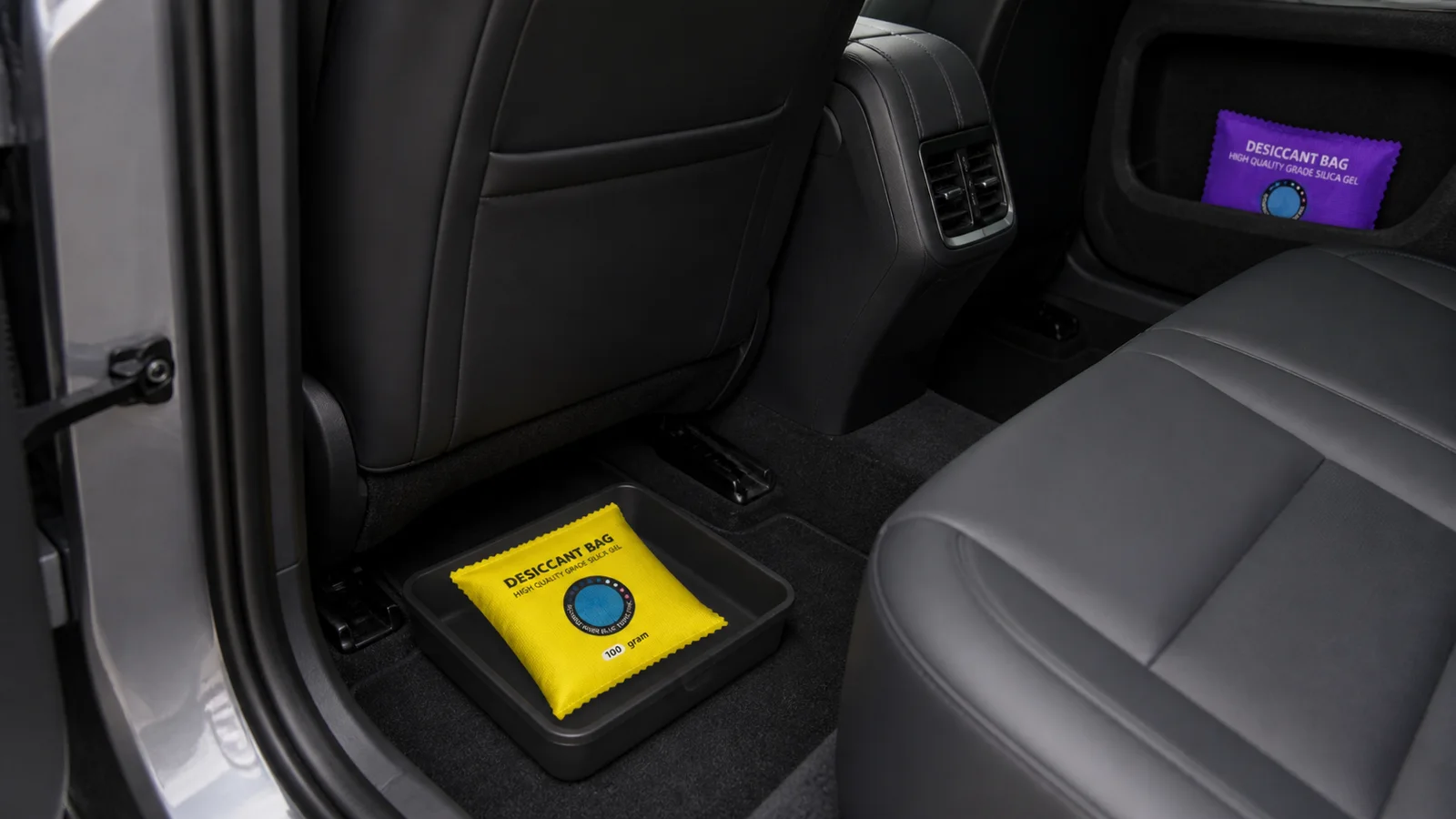
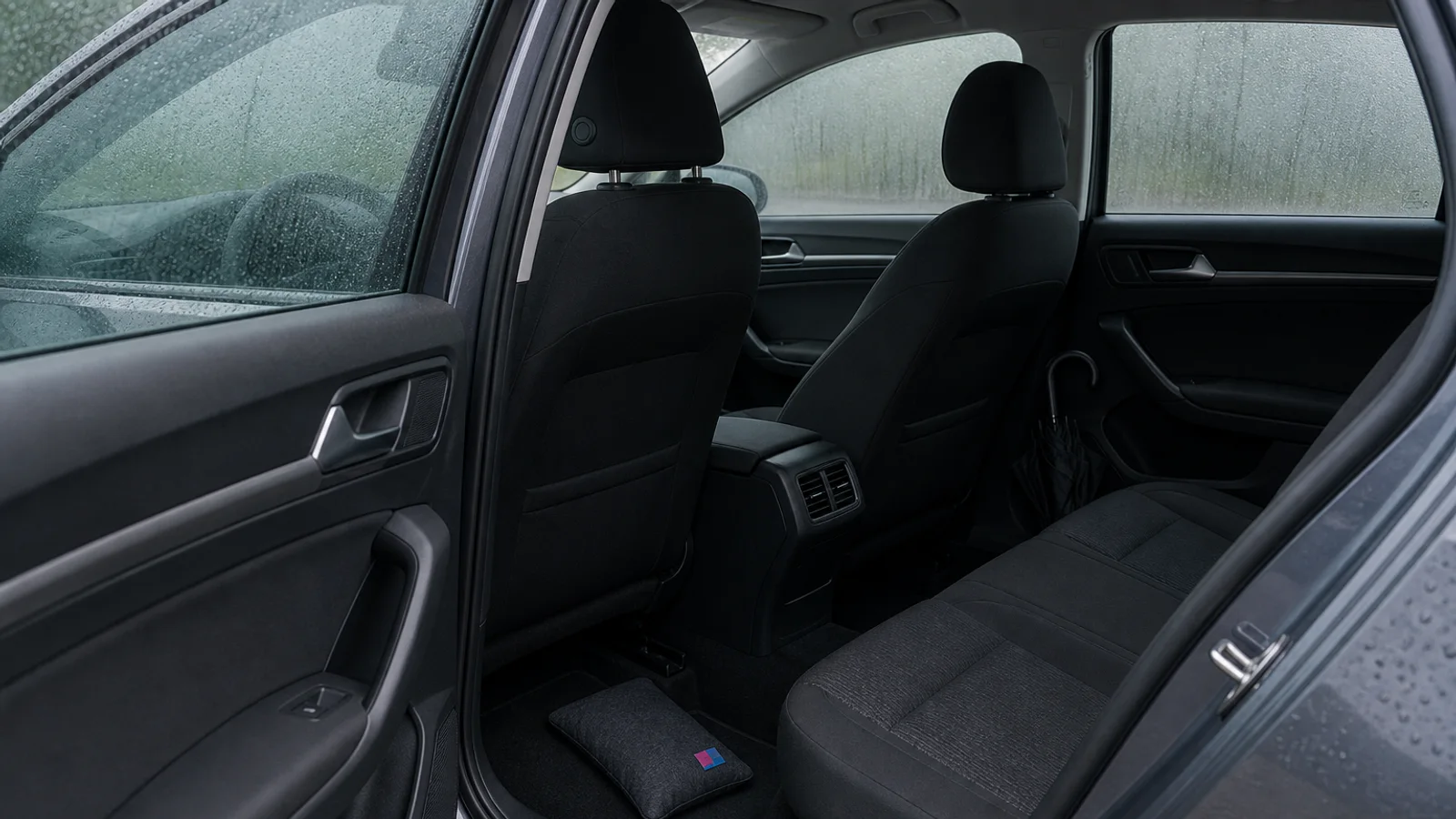
Diagnose damp car interiors, remove active water and see where a reusable silica gel dehumidifier bag fits.