
01Home & Storage
Plan the pouch around the size of the space, available airflow and the way the product will be placed or hung.
- Wardrobes and linen storage
- Drawers, cabinets and shoe storage
- Seasonal and moving storage
Get a Quote Start with the space, placement and sales channel. Then define the product format, fill weight, construction and retail instructions around the way buyers will actually use it.
A larger pouch or stronger claim is not automatically a better specification. Each program should begin with the intended space, placement, handling and retail promise.
01Plan the pouch around the size of the space, available airflow and the way the product will be placed or hung.
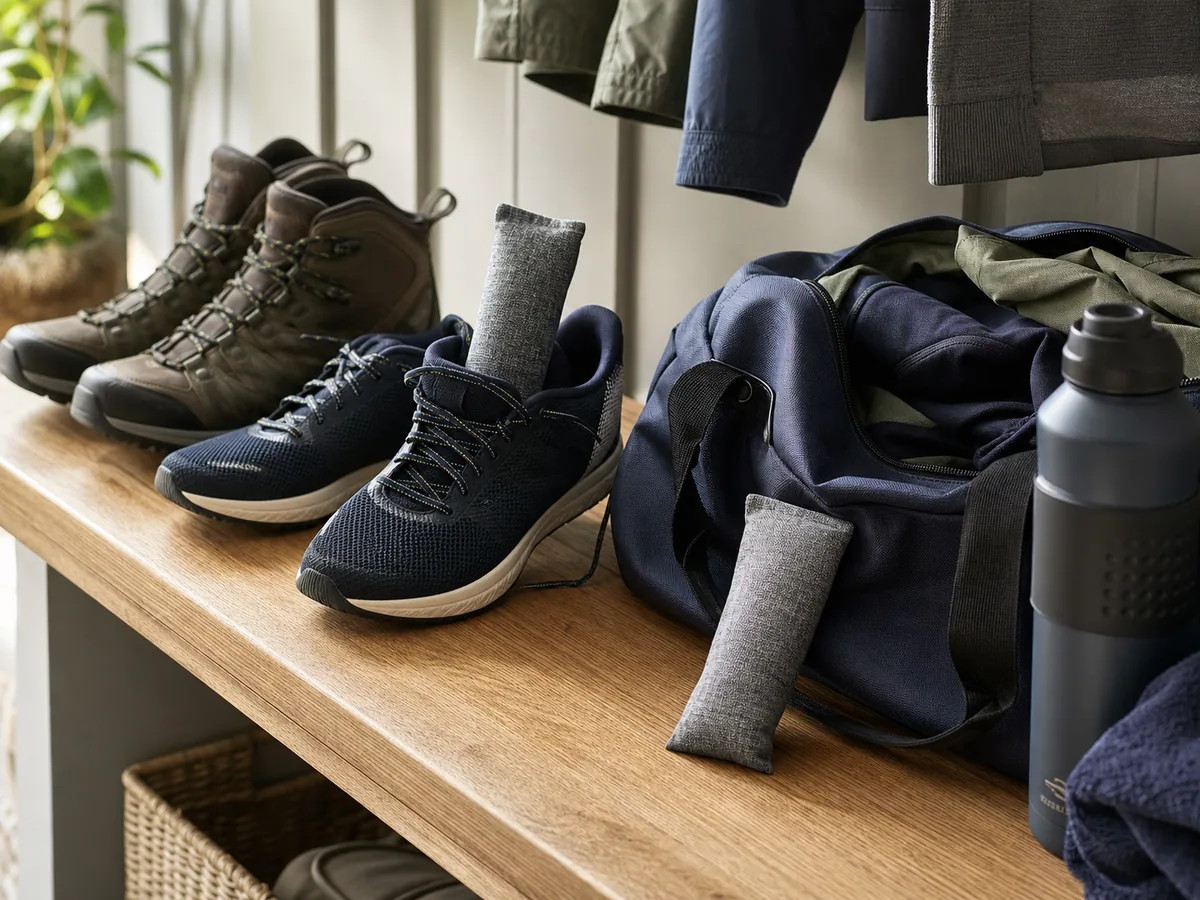
02Use a slim paired format that fits the intended footwear or equipment without creating pressure points or excess bulk.
03Select a placement-safe format and review the fabric, attachment and instructions for transport and parked-vehicle conditions.
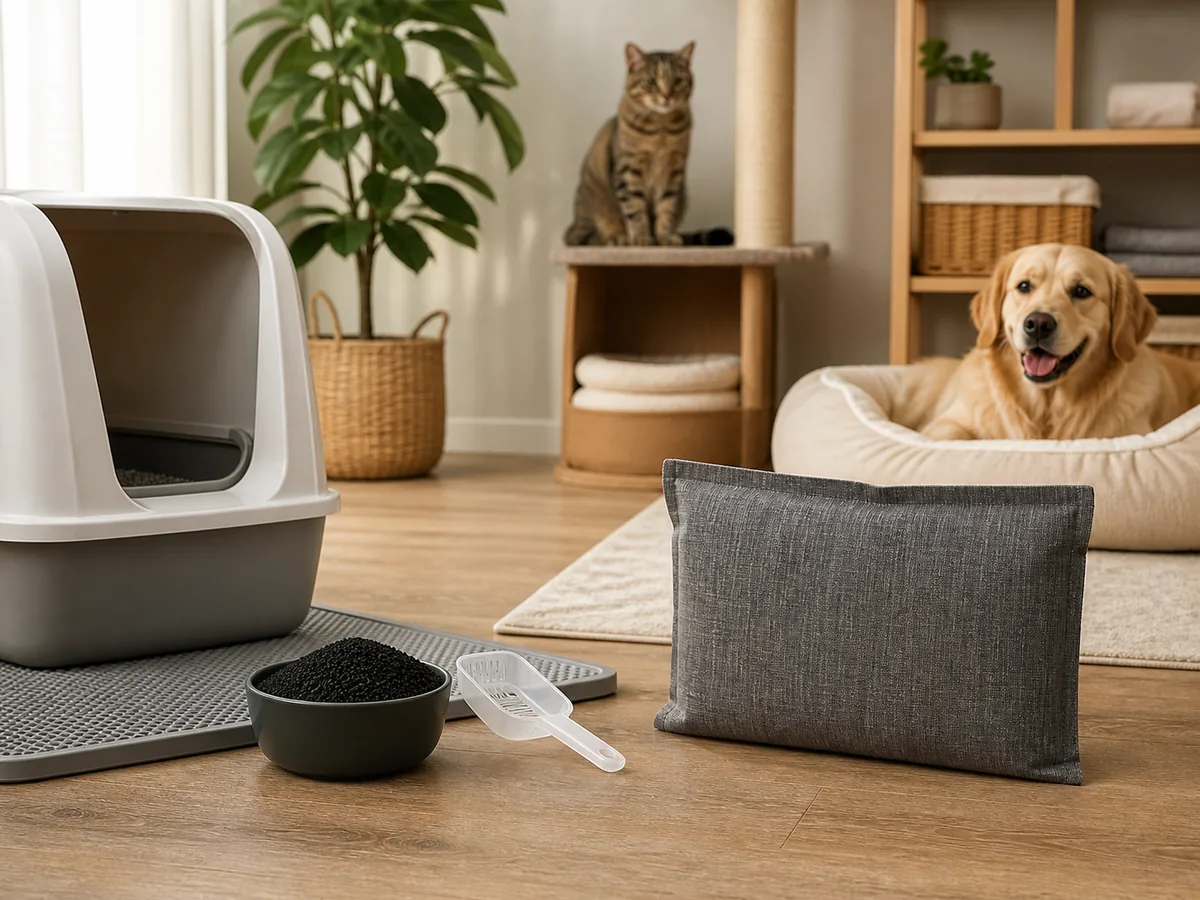
04Keep mix-in granules and surrounding-space pouches as separate programs with instructions written for each format.
Keep the use context, physical specification and buyer-facing instructions connected throughout development.
Define the enclosure, available airflow, intended placement and the odor source.
Match pouch shape, fill weight, attachment or granule format to the use context.
Review fit, handling, containment and perceived performance under representative conditions.
Lock placement guidance, care instructions, warnings, claims and retail packaging.
Bamboo charcoal products should not be positioned as replacements for ventilation, cleaning, professional dehumidification or remediation. Finished-product claims need to match the approved specification, use conditions and available test support.
Read the buyer’s sourcing guideShare the use context, target market, quantity and packaging direction. We will help translate that brief into a practical format and sampling path.