
A bamboo charcoal bag can be fully approved and still miss its launch date because packaging decisions were left until the end. The pouch may fit, yet the set count, barcode panel, label copy, inner pack or export carton may not work for the intended channel.
The practical answer is to choose packaging from the sales channel backward. Whether the format is a single OPP bag, multipack, kraft box or printed color carton, it must protect the approved product, carry the required information, scan correctly and fit the buyer's shipping plan.
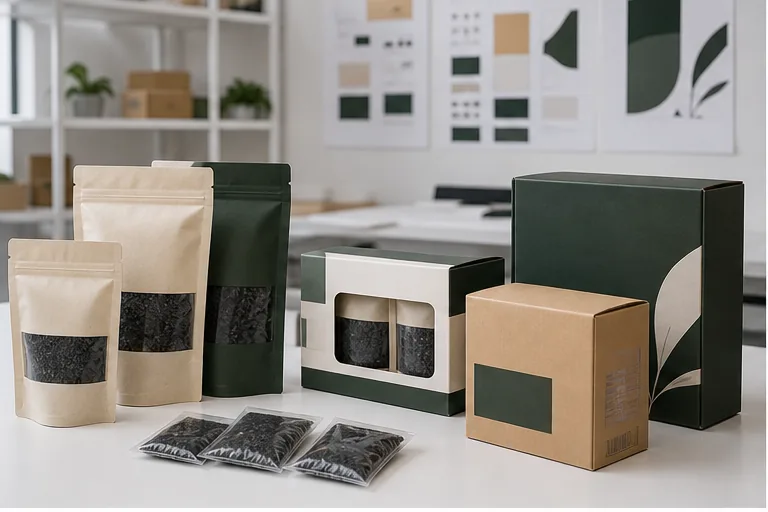
I have seen buyers spend weeks refining pouch artwork, then describe the packaging brief in one sentence. This guide turns that late-stage risk into a sequence of decisions, helping you compare formats, prepare complete quotations and approve retail and export packing without avoidable redesign.
Which packaging format fits each sales channel?
Use the simplest format that protects the product and supports the actual channel. More elaborate packaging only adds value when presentation, gifting, shelf display or information space justifies it.
| Format | Best fit | Advantages | Questions to resolve |
|---|---|---|---|
| One pouch per clear bag | Samples, replacement units, simple wholesale | Low material use, product visible | Warning copy, closure and label area |
| Several pouches per bag | Value sets and online multipacks | Efficient packing and clear set count | Pouch movement, bag strength and insert |
| Kraft paper box | Natural visual direction and private label | Printable, stackable and good information area | Window, coating, board grade and scuffing |
| Printed color box | Retail shelf or premium program | Strong artwork control and presentation | Dieline, color proof, barcode and finish |
| Gift box with insert | Corporate, seasonal or premium set | Organized unboxing and protection | Insert fit, volume, weight and freight cost |
Start with channel constraints. An Amazon-bound multipack, a supermarket shelf box and a distributor master pack have different handling paths. Our customization page shows the available packaging directions alongside logo and fabric choices.
What information must be approved before artwork begins?
Freeze the product dimensions, set count, mandatory copy, barcode area and target market before the designer builds the final dieline.

A packaging designer cannot safely guess the finished thickness of a filled pouch. We therefore pack actual approved samples into a blank mockup before final artwork. This catches bowed panels, loose inserts and windows that reveal the wrong part of the product.
The brief should identify:
- finished pouch dimensions and expected thickness;
- number of pouches per retail unit;
- required insert, care card or warning copy;
- barcode type, quiet zone and placement area;
- country-of-origin and importer information requirements;
- target language or multilingual layout;
- retail finish, such as matte, gloss or uncoated kraft; and
- inner-pack and export-carton quantities.
For US imports, CBP explains that foreign-origin goods are generally subject to country-of-origin marking requirements, while other product-specific agencies may also apply (CBP country-of-origin marking overview). The importer should confirm the exact legal wording and location for its market.
Not sure which format fits your channel? Send your pouch size, set count and target market for a packaging review.
How should a barcode be placed on a flexible or boxed pack?
Place the barcode on a stable, scannable panel and review it on the finished pack, not only in the artwork PDF.
GS1 advises companies to consider the packaging process when choosing barcode location and to avoid folds, edges, flaps and areas that can be obscured (GS1 barcode placement guidance). A barcode printed over a gusset may look correct on a flat film proof and distort after filling.
I prefer to mark the barcode area on the first blank mockup. After the decorated sample is assembled, the buyer can scan it under realistic lighting and handling. GS1 also recommends checking print quality, contrast and damage that may affect scanning (GS1 barcode quality checklist).
Do not copy a barcode from another SKU because the products look similar. The brand owner is responsible for assigning and managing the correct product identifiers.
How do claims and care copy affect packaging design?
Claims need evidence and space. Approve them before layout so the package does not force important limitations into unreadable text.
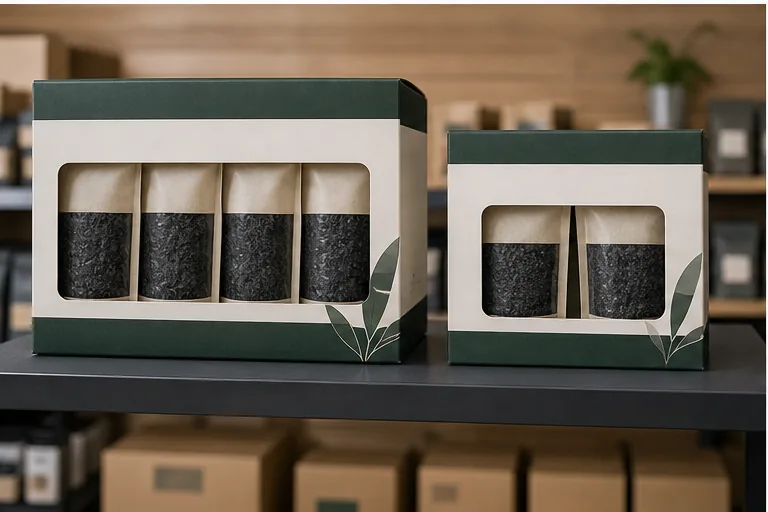
Terms such as "eco-friendly," "non-toxic," "air purifier" and fixed lifetime promises can create unnecessary risk when they are broad or unsupported. The FTC Green Guides caution against unqualified general environmental-benefit claims (FTC Green Guides summary). A more trustworthy pack describes the material, intended placement and care steps in plain language.
For a passive charcoal pouch, packaging can explain that performance depends on placement, air contact, conditions and the odor source. The EPA notes that gas-removal performance for carbon media depends on factors including the amount of material and airflow, and that no widely used consumer rating system exists for gas-removal filters (EPA Guide to Air Cleaners in the Home). This supports careful, product-specific wording rather than absolute promises.
Use a hierarchy:
| Panel | Recommended content priority |
|---|---|
| Front | Product identity, format, set count and brand |
| Back | Intended use, directions, care and qualified claims |
| Side | Materials, warnings, contact or importer details |
| Bottom | Barcode, batch field and country-of-origin area |
| Insert | Longer instructions, replacement guidance or multilingual copy |
How do retail packs connect to inner packs and export cartons?
The retail unit, inner pack and export carton should be approved as one packing system because a change at one level affects count, protection, dimensions and freight.
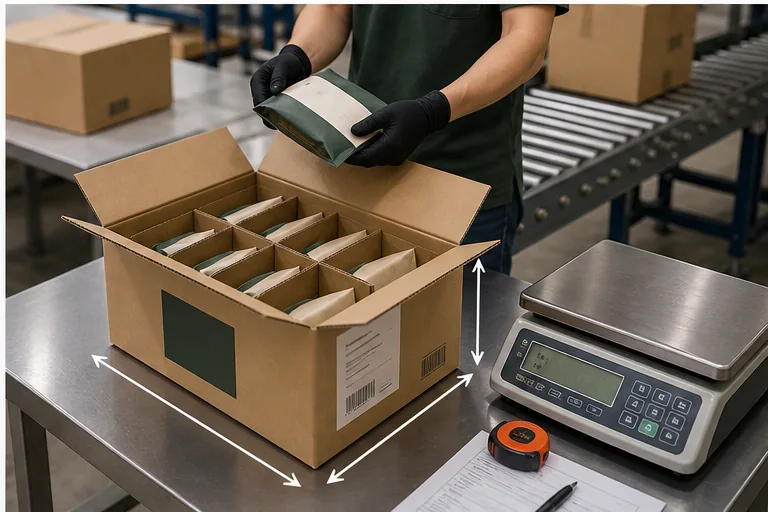
We build a packing sequence before bulk production. The operator should know which side faces up, whether inserts are counted separately, how retail units enter an inner carton and how inner cartons enter the export case. This is especially important when several colorways share one order.
Carton data should come from a packed production sample, not a rough estimate. Record carton dimensions, gross weight, net weight, unit count and marks after the final retail pack is approved. The International Chamber of Commerce explains that Incoterms define buyer and seller responsibilities for delivery and risk, but they do not replace a detailed product and packing contract (ICC Incoterms overview).
If you are still deciding the pouch itself, compare common formats on the bamboo charcoal air-purifying bag page before locking the box.
What should a packaging golden sample contain?
A packaging golden sample should preserve the assembled retail unit plus the approved files and packing records needed to reproduce it.
Keep more than a pretty box. The approval set should include:
- the exact filled pouch or pouches;
- printed retail packaging;
- approved insert and labels;
- signed dieline and artwork version;
- material and finish reference;
- barcode verification record;
- inner-pack arrangement;
- export-carton specification; and
- approved carton marks.
Color is a common dispute. A screen proof cannot replace a physical print standard, especially on kraft board or uncoated paper. Agree on the proof type and an acceptable production range before printing the full quantity.
Frequently Asked Questions About Private-Label Packaging
Give suppliers measurable inputs so quotations cover the same packaging rather than three different interpretations of "retail ready."
Is packaging quoted as a complete retail unit?
Ask whether the price includes the pouch, bag or box, insert, labels, assembly and export packing.
Does packaging have a separate MOQ?
Often yes. Printed film and cartons may have different minimums from the sewn pouch. Confirm setup costs and the treatment of surplus packaging.
Who supplies the barcode and legal copy?
The brand owner or importer should supply approved data. The factory can reserve areas and print the approved file but should not invent regulatory text.
Can one box serve several color variants?
Sometimes. A shared box with variant labels can reduce complexity, but the buyer must confirm SKU identification, set count and warehouse handling.
Conclusion: which packaging route is usually best?
The best route is the one that meets channel requirements with the fewest unnecessary layers and the clearest approved information.
Begin with a real pouch, a real set count and a real sales channel. Then mock up the retail unit, verify the barcode and claims, and test the full carton configuration. This sequence gives the designer accurate boundaries and gives the factory a repeatable packing reference.
Ready to compare packaging options? Send your product dimensions, quantity and sales channel.