Product development
Review color, dimensions, fill weight and composition on a prototype that fits your target footwear.

A curved pair that sits inside footwear between wears. The filling combines odor-adsorbing materials with a moisture-managing component for light dampness. Develop the color, logo and retail pack around your shoe-care or travel range.
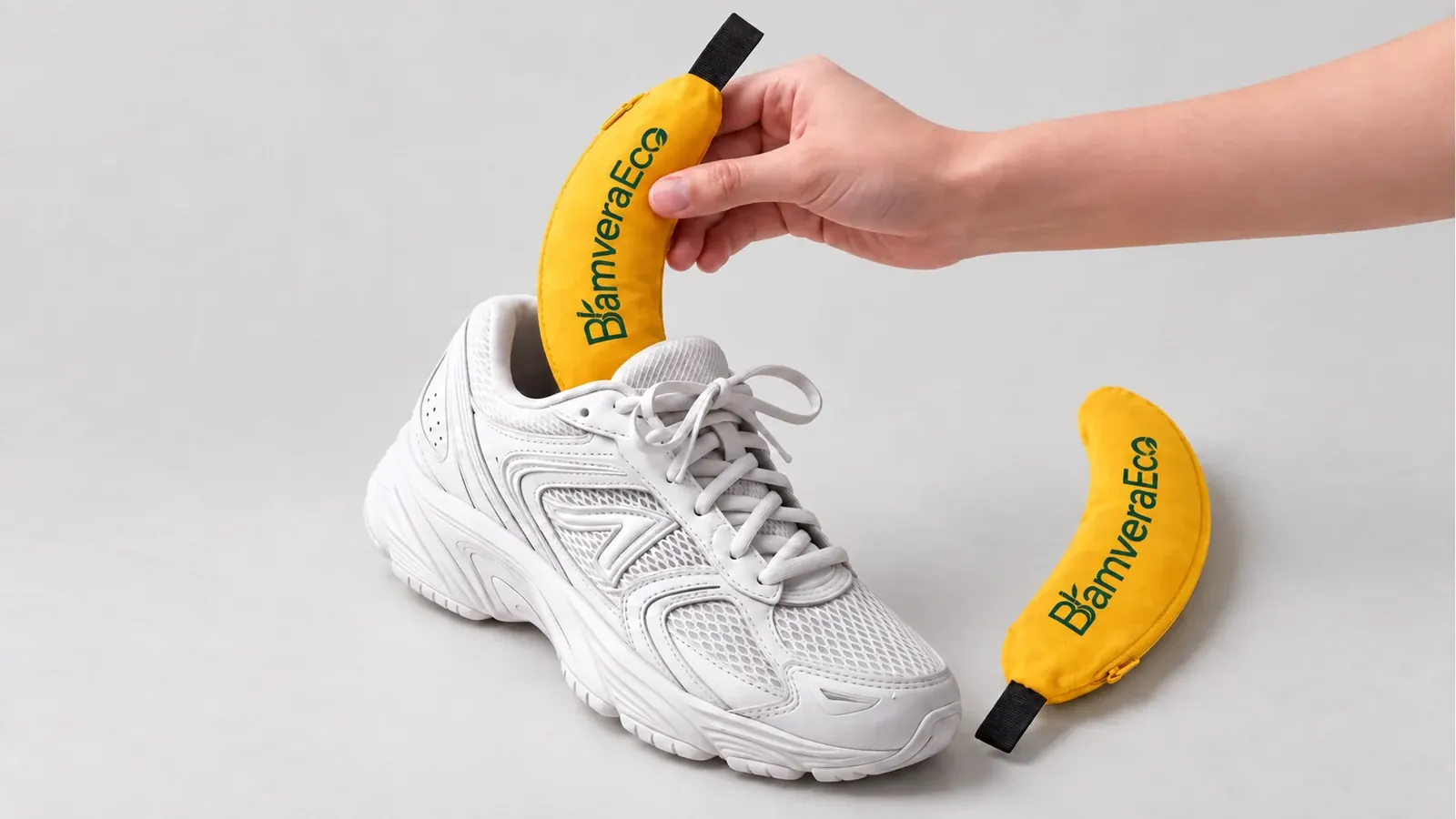
These details describe the current reference format. Private label production is finalized through prototype approval, including size, fill weight, composition, branding and pair packaging.
| Product format | Curved textile insert with a pull tab |
|---|---|
| Supply format | Two bags (one pair) per set |
| Outer material | Organic cotton fabric |
| Inner containment layer | Nonwoven layers around the filling |
| Fragrance | No added fragrance in the reference design |
Custom specifications are reviewed through prototype sampling before bulk production.
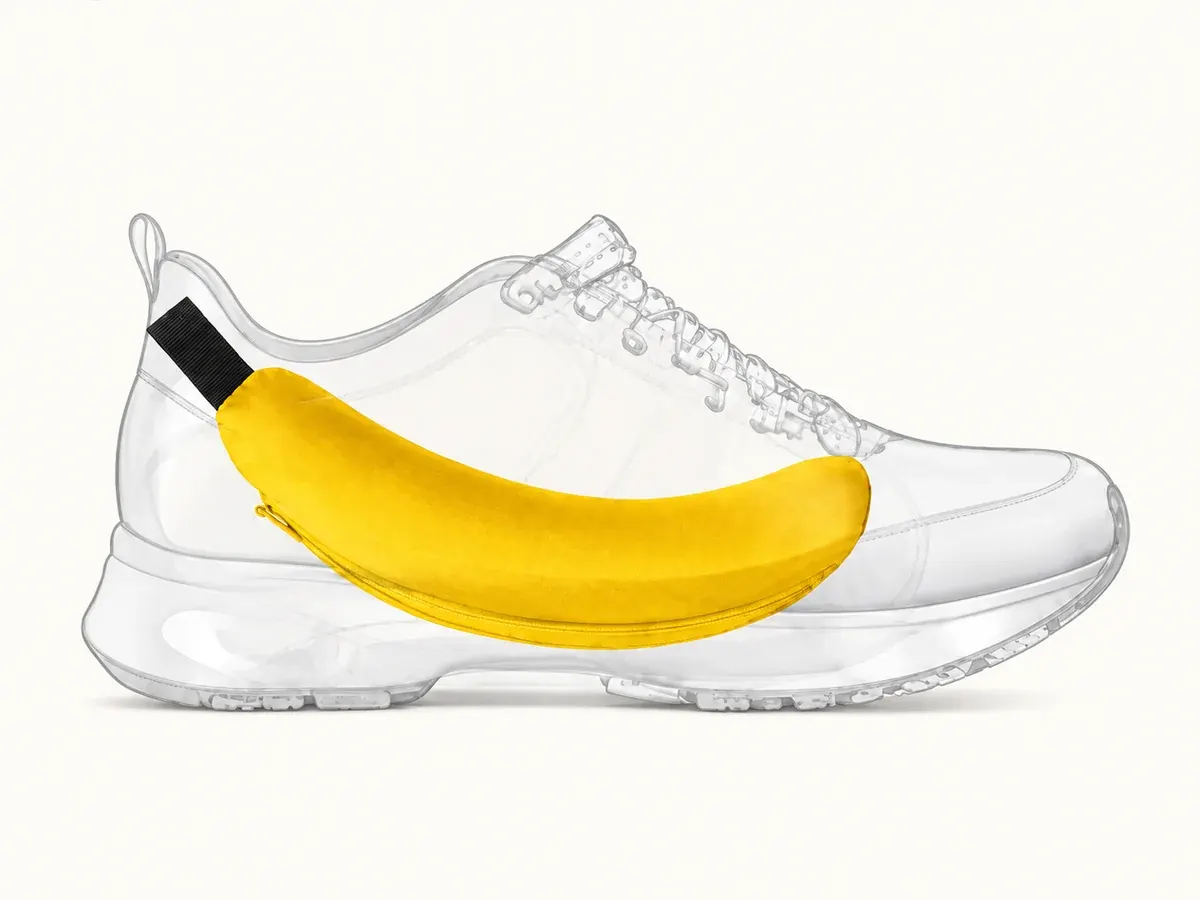
The narrow, curved body sits along the shoe bed toward the toe. A fabric pull tab stays within reach, so users can lift the insert out before wearing the shoe.
One goes in each shoe. Check the prototype against your target sneaker or boot sizes, particularly narrow toe boxes. The flexible shape avoids a rigid plastic frame, but it does not guarantee a universal fit.
For storage between wears: remove both inserts before putting shoes on.
The filling combines porous odor-adsorbing materials with a moisture-managing component for storage after normal wear. Odor adsorption and moisture absorption are different functions; both need to be evaluated in the finished insert.
The reference formulation lists coconut-shell activated carbon, bamboo charcoal, silica gel and zeolite. This is a starting point for sampling, not a final production bill of materials. Agree the ingredients, grades and proportions before making performance claims.
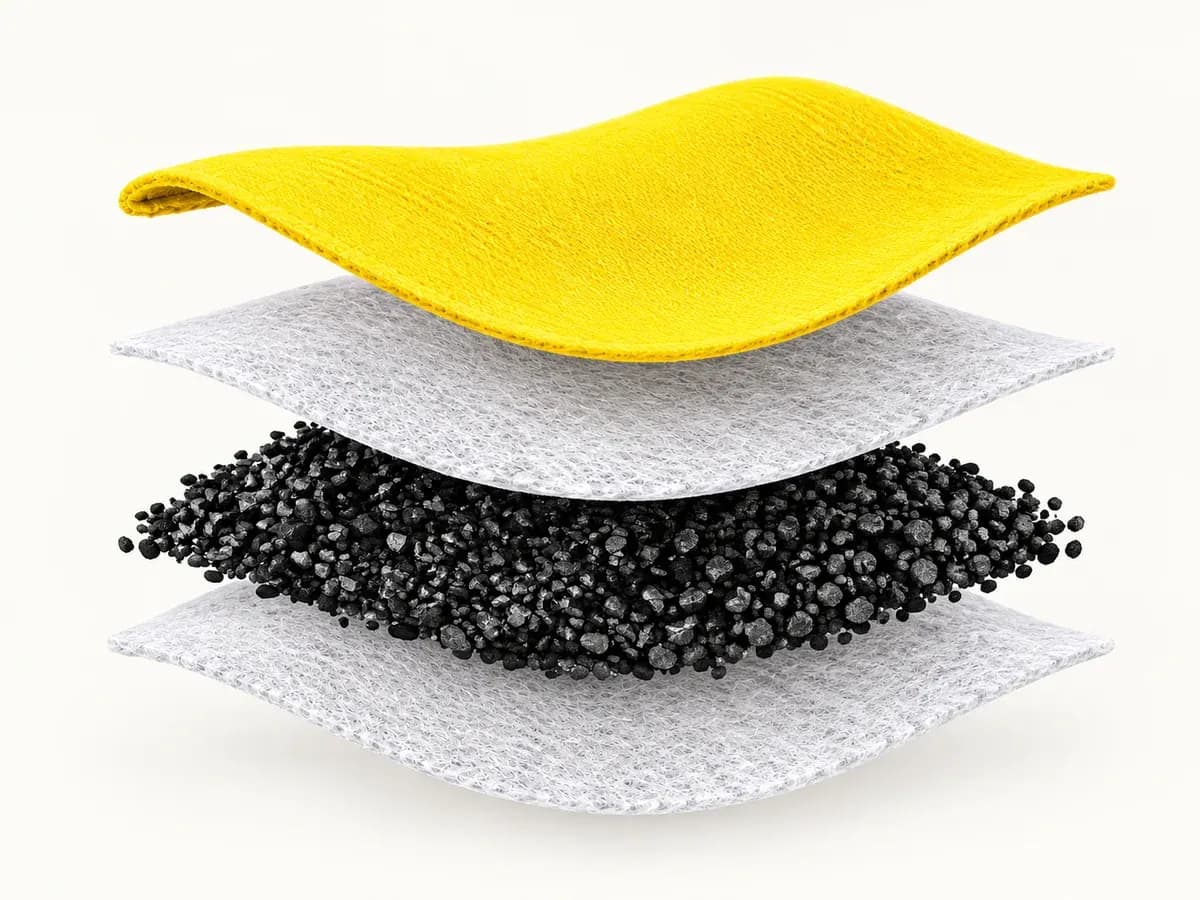
The organic cotton outer fabric covers nonwoven layers that hold the granules. The design lets surrounding air reach the filling while helping contain loose particles during handling.
Review seam strength, pull-tab attachment, filling distribution and edge sealing during sample approval and bulk inspection. Check containment during handling and keep the pouch closed during use.
These inserts support storage between wears, not drying rain-soaked boots, wet towels or a whole suitcase. Clean the source of the smell and air wet items separately. An odor-care insert cannot replace washing or ventilation.
Place one insert inside each shoe after wear and remove both before putting the shoes on again. Use the pair while footwear is stored.
Position the curved insert along the shoe bed toward the toe.
Keep the inserts in stored shoes after normal wear, perspiration or light dampness.
Air footwear whenever possible. The inserts support odor and light-moisture management alongside ventilation.
Take both inserts out before putting your shoes on again.
Dry soaked or visibly wet shoes separately first. These inserts do not replace washing, ventilation, a shoe dryer or a high-capacity desiccant.
Final care and regeneration instructions are confirmed according to the approved filling specification before packaging artwork is finalized.
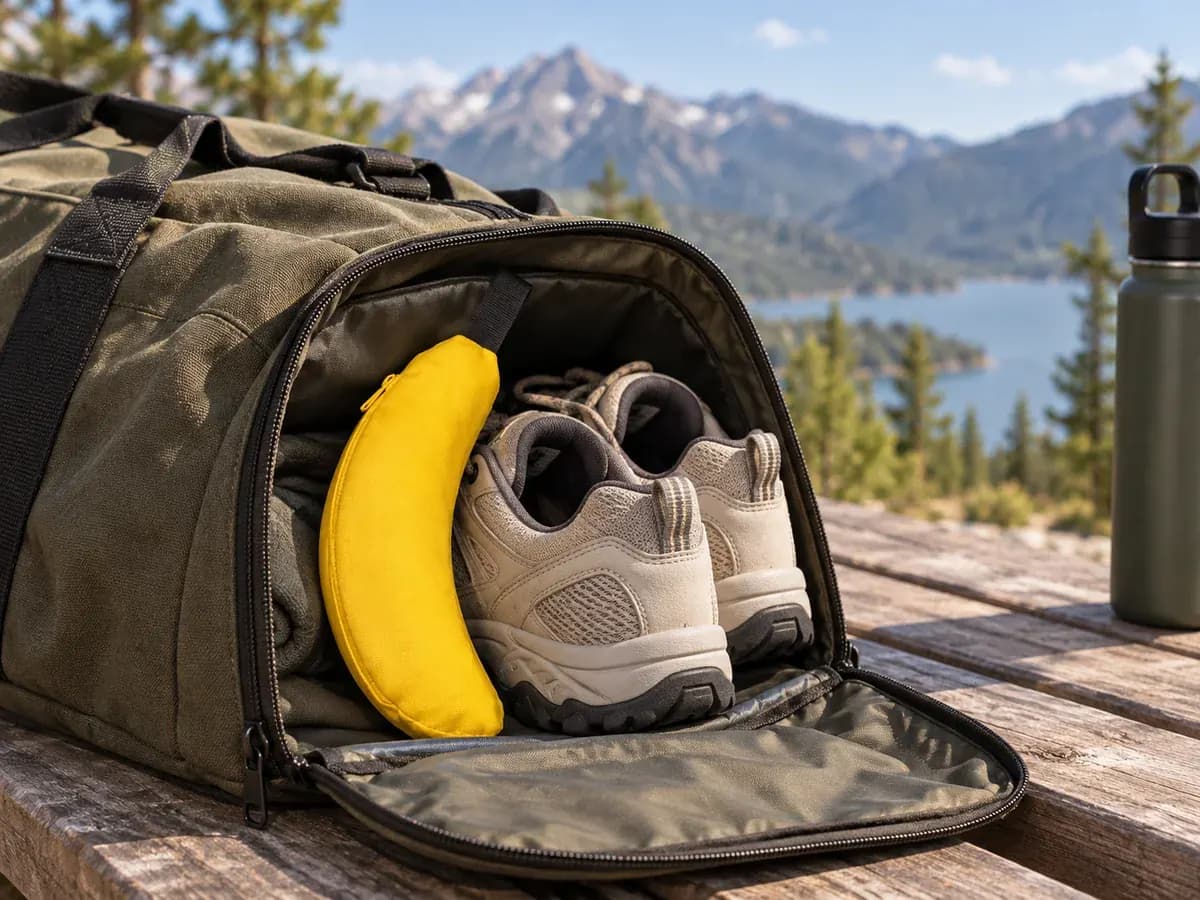
Footwear is the primary use. An intact insert can also sit in a dry bag compartment with air around the fabric.
Start with the organic cotton reference and a target retail pack. Approve the finished color, logo placement and packaging together so the product fits your range.
Review color, dimensions, fill weight and composition on a prototype that fits your target footwear.
Apply your full-color logo by heat transfer. Screen printing and sewn fabric labels are also available; review pull-tab details with your artwork.
Choose PE set bags, printed PE film, custom color boxes or kraft boxes. Plan instructions, barcode placement and market-specific labeling.
MOQ is 1,000 sets, two bags each. Approve samples and carton packing, then confirm the production plan and lead time with your quote.
Base claims on the approved insert, not raw-material marketing data alone. Review the composition, finished sample, available test documents, packaging statements and care instructions together before bulk production.
Use the approved prototype as the reference for checking consistency across the bulk product and retail pack.
| Review item | What it confirms |
|---|---|
| Approved bill of materials | Final material names and filling composition. |
| Finished sample specification | Approved size, weight, construction and pair format. |
| Material safety information | Handling and material information relevant to the final composition. |
| Odor test report | Tested odor substance, sample, method, conditions and result. |
| Moisture uptake test | Moisture performance under defined test conditions. |
| Seam and containment check | Edge sealing, pull-tab attachment and filling containment. |
| Packaging claim review | Agreement between the product, care instructions and marketing statements. |
Any published result should identify the tested sample, test method, laboratory conditions and applicable limitations.
Choose the rectangular pouch for a bamboo-charcoal-only range with several fill weights. Choose the contoured insert when in-shoe fit and a blend with a moisture-absorbing component are part of your product brief.
| Specification | Standard bags | Banana-shaped inserts |
|---|---|---|
| Shape | Rectangular fabric pouch | Curved textile insert with pull tab |
| Positioning | Everyday shoe and storage odor care | Direct placement inside footwear between wears |
| Filling | Bamboo charcoal | Multi-material blend; final composition agreed by sample |
| Format | 75g / 85g / 100g options | Two-piece pair; size and fill agreed by sample |
| Placement | Shoes, boots, gym bags and shoe cabinets | Shoes, boots, gym bags and travel bags |
| Moisture support | Not a dedicated drying product | Light-moisture support, subject to the approved formula |
| Branding | Fabric color, print, sewn label and pair packaging | Screen print, full-color heat transfer, sewn fabric label and pair packaging |
| Buyer program | Core private label ranges with a choice of fill weights | Footwear and travel ranges seeking a distinctive shape |
Looking for a simpler filling? Compare our standard bamboo charcoal shoe deodorizer bags in 75g, 85g and 100g options.
It is a curved textile pouch placed in empty footwear between wears. It follows the shoe interior toward the toe and is removed before wear. It is not a walking insole.
The standard format is a rectangular bamboo charcoal pouch in several fill weights. The banana-shaped version has a contoured body and a multi-material filling developed for odor adsorption and light moisture support.
It is intended for normal perspiration and light dampness between uses. It does not dry soaked footwear; moisture performance depends on the approved blend and use conditions.
Yes. Each set contains two bags, one for each shoe. MOQ is 1,000 sets, or 2,000 individual bags.
Yes. Use them in dry shoe compartments, sports bags or backpacks with air around the fabric. Remove wet kit first and keep the inserts away from spills.
Size, fill weight and composition can be reviewed during development. Final material names, proportions and claims must match the approved specification and supporting documents.
Yes. Options include color, pull-tab details, full-color heat transfer, screen printing and sewn fabric labels. Choose PE set bags, printed PE film, custom color boxes or kraft boxes; review artwork and labeling with the sample.
Yes. Request prototypes to review footwear fit, filling, construction, logo placement and packaging before bulk production.
Share your market, quantity, preferred filling, branding and packaging. We can prepare a prototype plan for product fit, artwork and retail presentation.
Request prototype samples or a custom quote using the brief form.